
Sport is a place with unlimited returns.
It has taught me how to engage my mind, body, and capacity further with every opportunity.
As a child, football has always been simple for me.
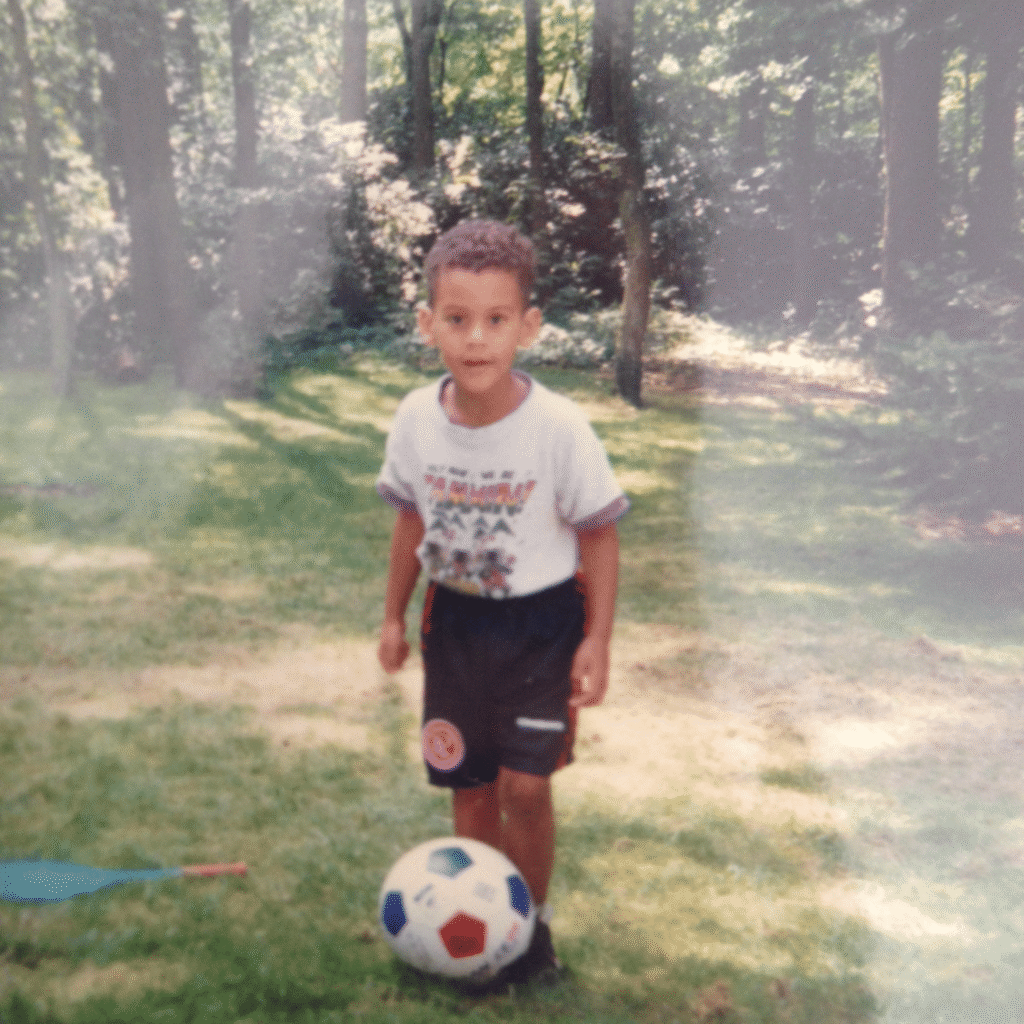
It gives me joy. Running around, kicking the ball, competing, leading on a pitch and it still makes me happiest to this day.
Sport has given me friendships that will last forever. It has given me communication skills, responsibility and discipline. I truly believe sport makes us stronger, and not just physically.
Across different sports, that learning never stops. When I do a triathlon, it’s an individual race that strengthens resolve.
When I competed in taekwondo, boxing or practiced tennis and swimming, each experience revealed something new about my own limits and abilities.
That curiosity to challenge yourself and see what you are capable of is endless.
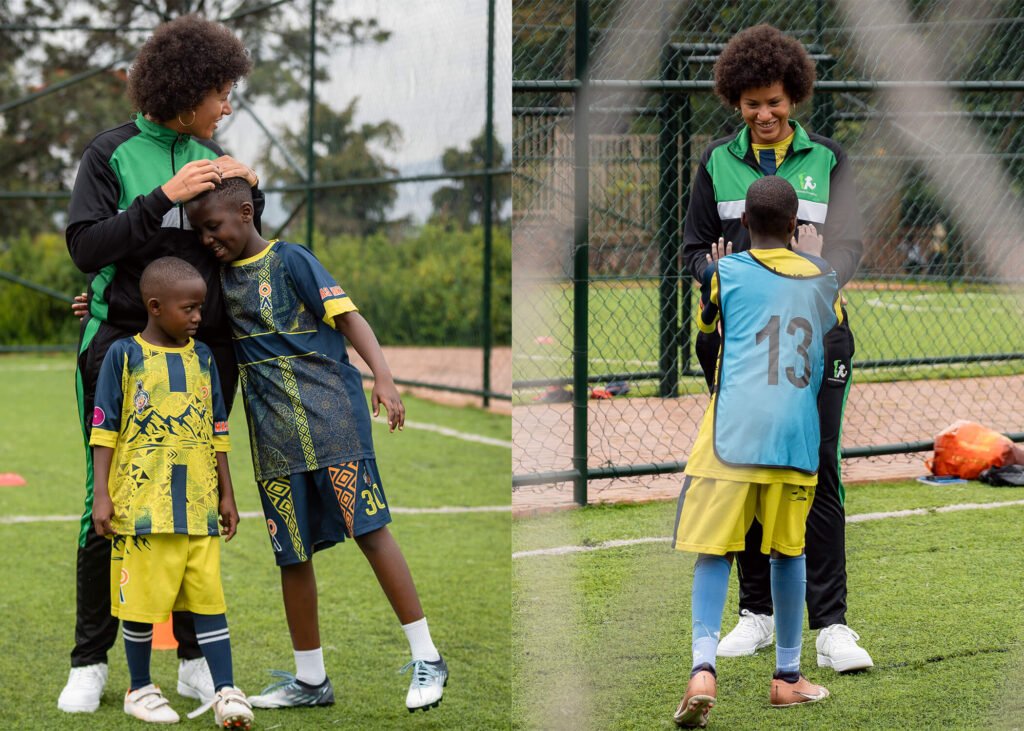
Looking back, I think the desire to give back has always been part of me.
I was fortunate to live in more than eight countries before the age of 20. Experiences like that teach you something important very early on: the human struggle is universal. Whether it’s identity, access, or representation, people everywhere are searching for the same things.
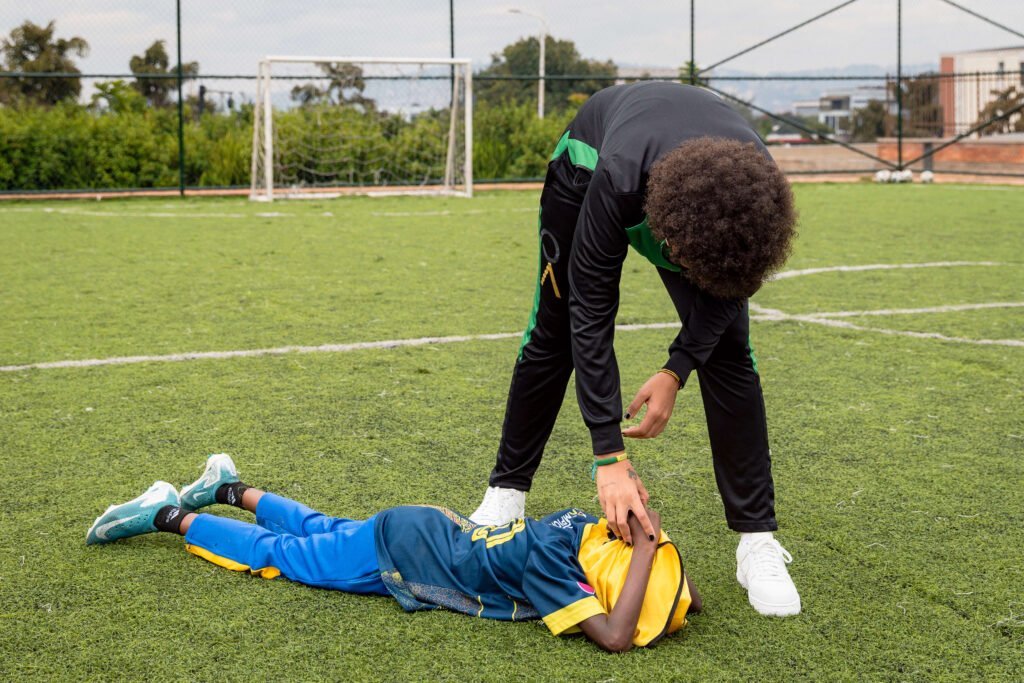
We all feel the same joy when we win and the same disappointment when we lose.
Empathy became central to my character.
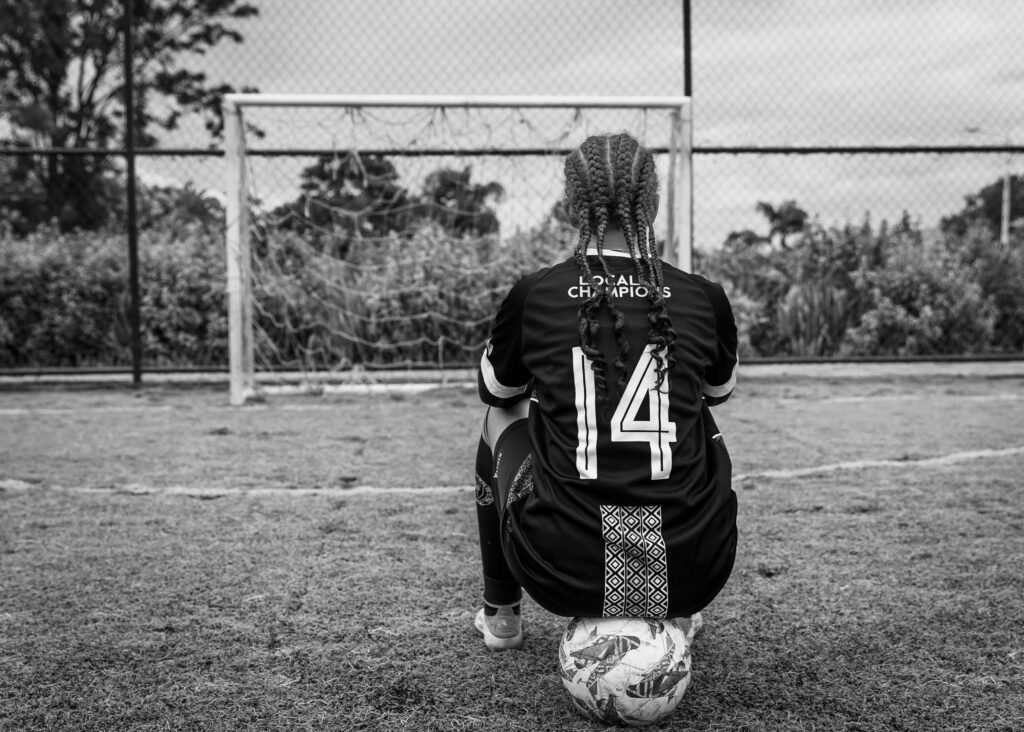
As a child, the pitch was a place where we were all equal and had to find a way to work together to succeed. I want children to feel that same happiness I found in sport and to always be safe.
As I grew older, I found myself being entrepreneurial. I always found ways to turn what I loved into something sustainable. When your work becomes both a passion and a return on investment, I believe you have a responsibility to take others with you and make children’s lives better.
That belief is what drives much of the work I do today. It’s something that gives me joy and great stress at the same time.
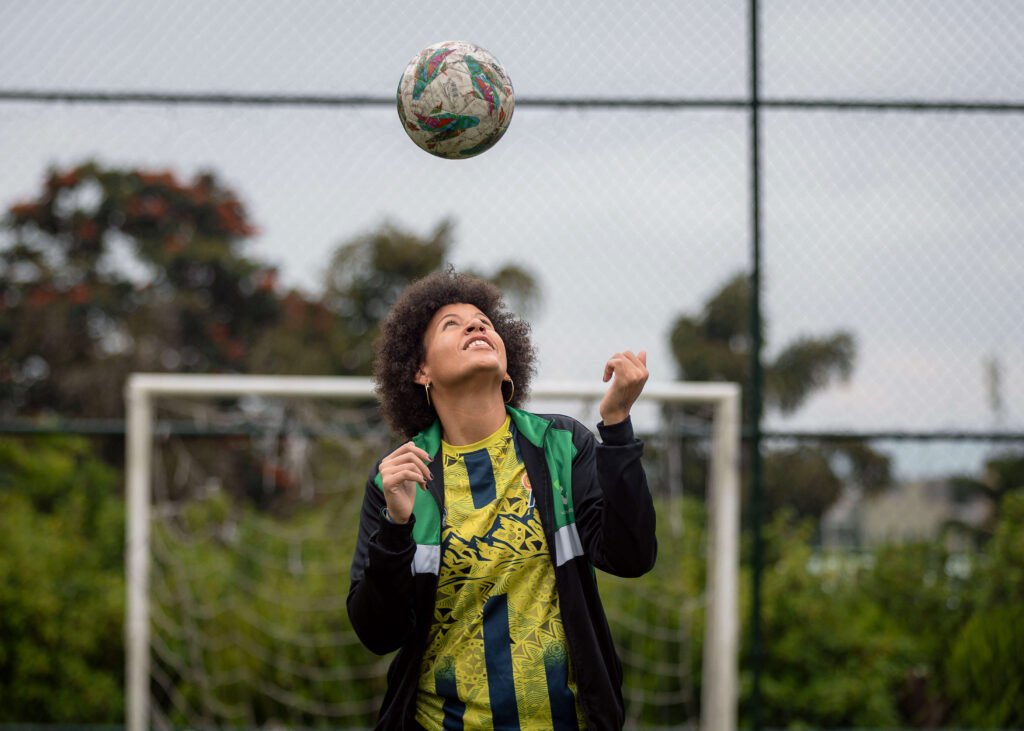
I want to leave this world a better place than some of the experiences I’ve had but also to share every good experience I’ve had along the way.
Reinvestment, when done intentionally and curated thoughtfully, is powerful because it is rooted in care.
For women, sometimes it can feel like a burden. But it is also powerful because our stories are intersectional and often intertwined.
When I invest in someone who looks like me or struggled like me, I am able to see them more fully and connect the dots in ways that others might not.
Too often, people who reach positions of influence become gatekeepers. That really frustrates me. If you have worked so hard to reach the top, why close the door for others?
I truly believe we can all succeed. We are stronger when we work ethically together and open opportunities for the next generation.
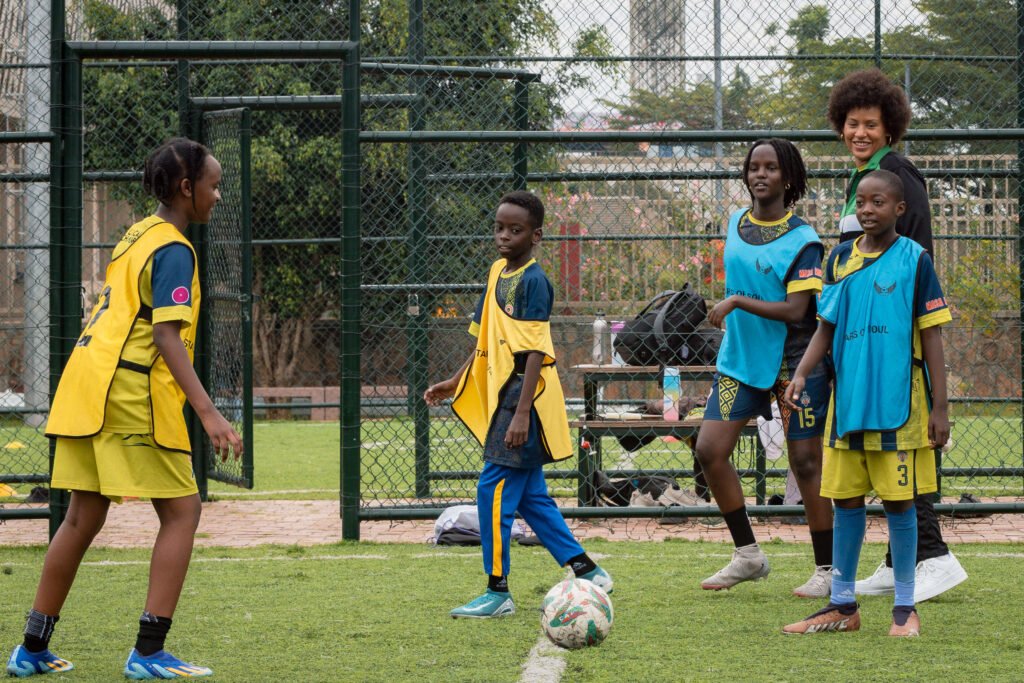
Through Local Champions, we are creating a platform for women to find opportunities after their playing careers. Athletes dedicate years of their lives to sport, but too often there is little support once those careers end.
I want former athletes to have a place where they can develop professionally, work in sport- on and off the pitch, and continue contributing to the next generation.
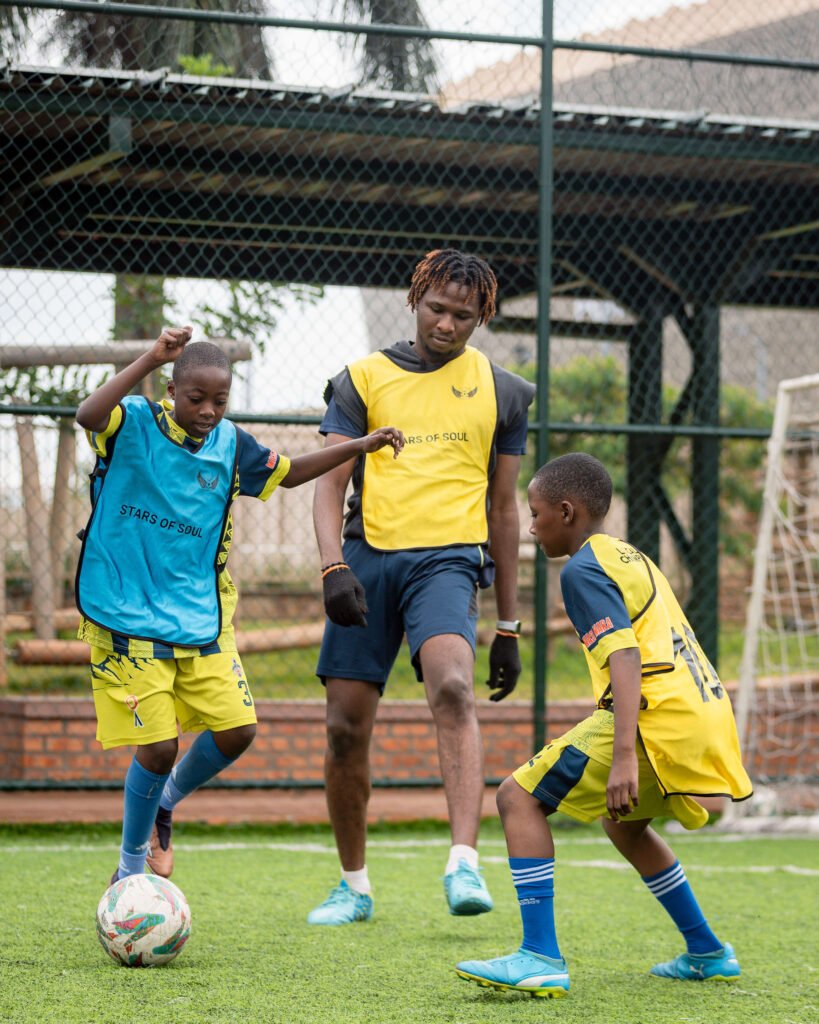
I want young players to grow in safe but challenging environments built by people who understand both the technical side of sport and the lived experience of being an athlete. Places that prepare them to be leaders in the future.
I also want older athletes to have access to honest advice and practical life skills, from financial literacy to understanding contracts so they are not exploited but instead more capable to perform.
Sport should not only develop talent on the field, but also prepare athletes for life beyond it.
In my role as Commissioner for Women’s Football Development, that vision expands even further.
For women’s sport to truly grow, our society needs to see the value of investing in girls and women. To see the benefit of women’s and girls sport on education, health and unity.
That starts with building a strong product: footballing environments and competitions where girls are supported to show their absolute best on the pitch; and leaders, including myself, are held accountable.
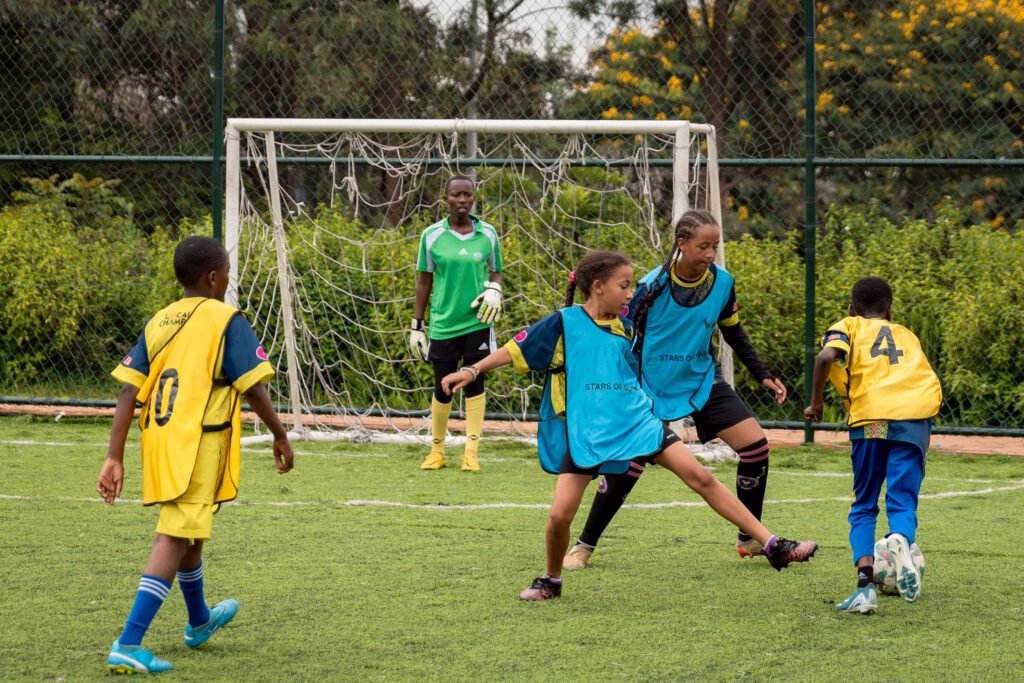
The reality is that we do not lack talent.
What we lack is adequate care, policy, consideration, and ambition for women’s sport.
And that is a good place to be because small changes can have a huge impact. If we improve regulations, use our facilities better, and approach women’s sport with real ambition and motivation for our girls, then success is waiting for us.
But that progress requires movement from many people. We must share that responsibility and open up more doors.
I am confident we will get there, and hopefully before my time is up.
But the future of women’s sport is not only about women reinvesting.
We need men, young people, older generations, and everyone in between to be part of the movement.
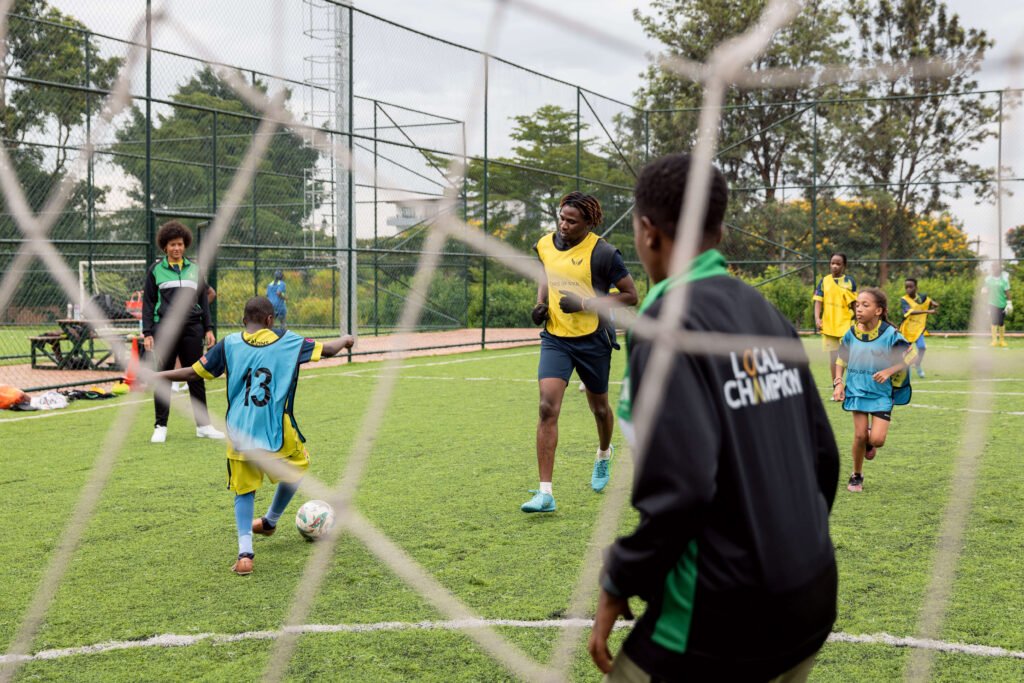
We all have to look at ourselves and ask the simple question: are we doing enough?
Women’s sport is both a commercial and a social opportunity. It can improve lives, create financial reward, and bring national pride through achievements on the pitch, the court, or the mat.
If more women reinvested, I believe we would see safer spaces, stronger safeguarding systems, and higher ambitions for girls.
At the same time, I am a competitor.
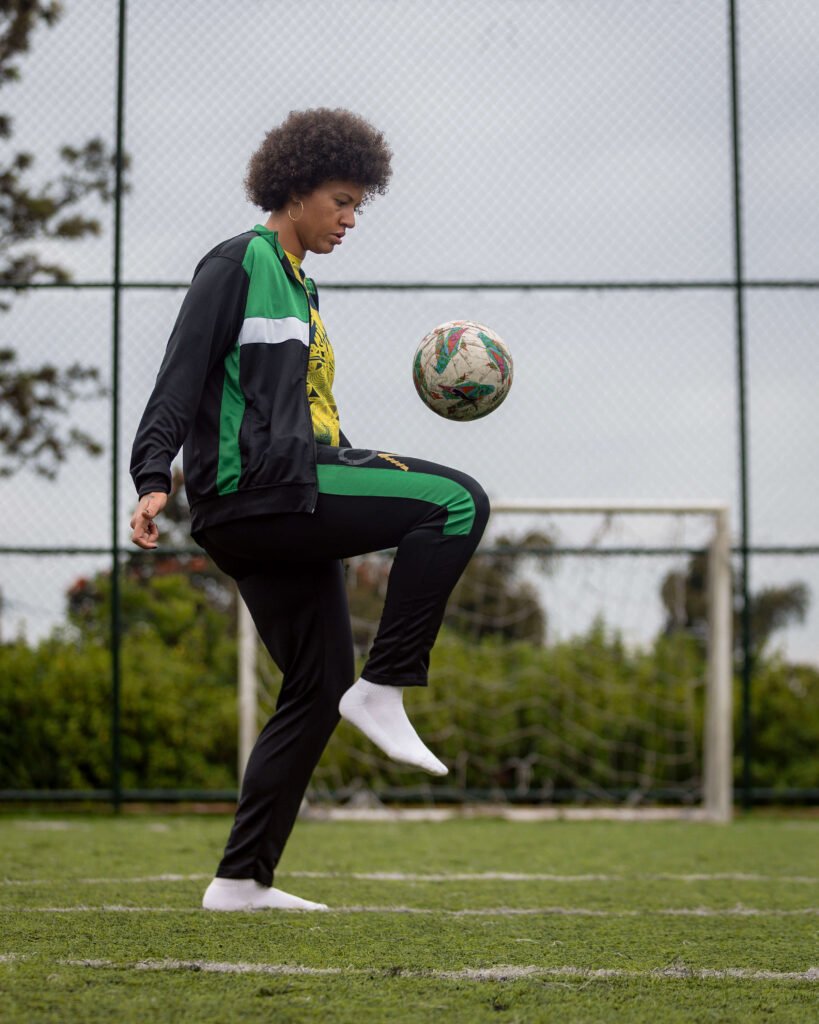
I want us to win. To create memories and experiences. For me, it is also about elevating the game through the right pathways, partners, and playing opportunities so that our athletes can make the nation proud and bring joy through victories that last far beyond the pitch and into people’s lives for a very long time.
Giving back continues to shape who I am today. I am a social entrepreneur by both trade and identity. I am also an athlete, in mind and body. And I am what many would call a third culture kid, someone shaped by many different places and cultures.
All of those identities come together in a love for teamwork, for development of our country and for the individuals that make it special.
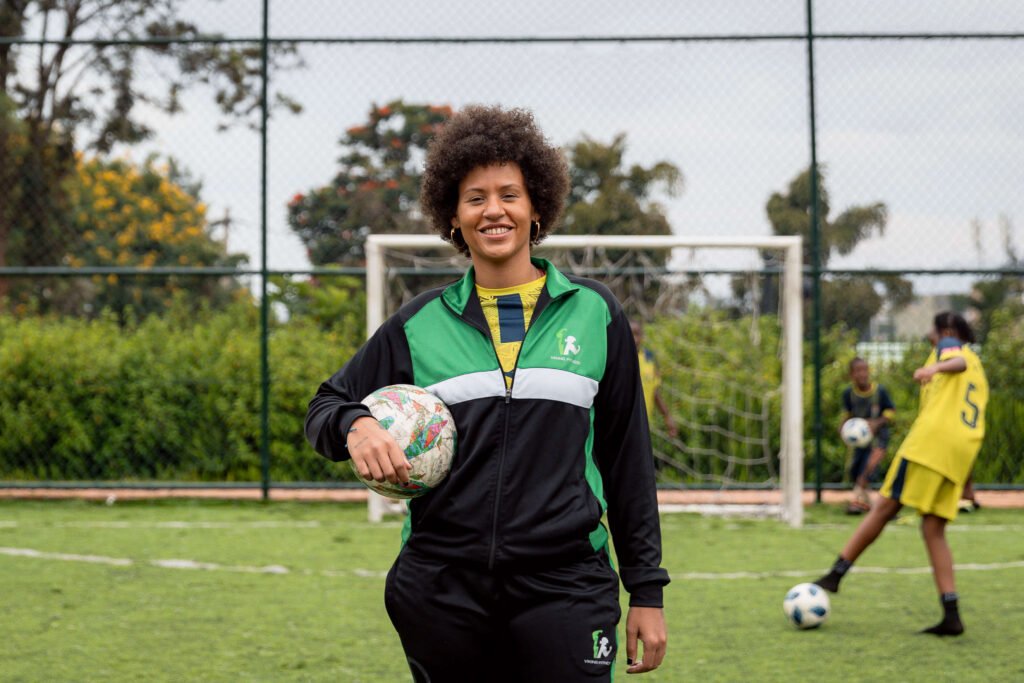
At my core, I am happiest when I am reaching for my ultimate potential. Giving back is part of that because it feels very similar to sport.
When you see the potential in someone, you naturally want to create the conditions for them to thrive. The more you believe in that potential, the more you feel responsible to open doors.
It’s not something I can run away from, it’s part of who I am and what gives me joy.
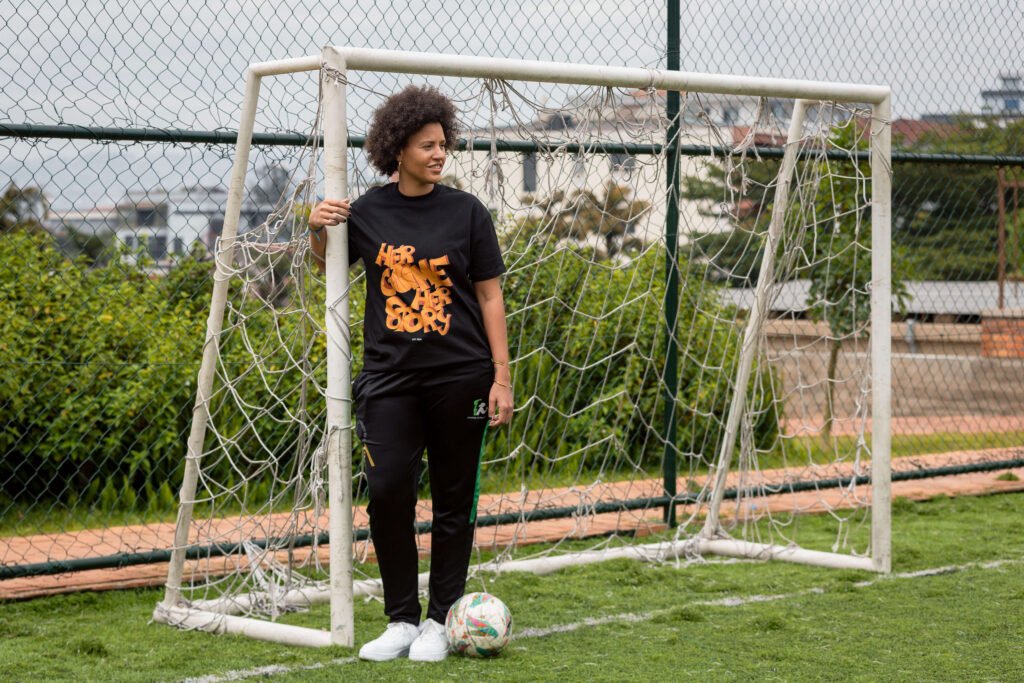
Because ultimately, I believe people reach their highest potential when four things come together: joy, love, a challenge, and a community that believes in them.
And I guess that’s why we exist.