I didn’t grow up wanting to be a nutritionist.
I didn’t even know what that was.
What I knew was that I wanted to be useful. At different moments, that meant being a soldier, a pastor, or a doctor. I just wanted to help people heal.
When I moved from Rwanda to France, everything became unclear; the language, the system, the future. Medicine no longer felt realistic, but the desire to heal didn’t leave. That’s how I found nutrition. Not as a passion at first, but as a way to care for people through something accessible: food.
I understood nutrition in theory long before I understood it in reality.
That changed during my first internship in sports nutrition, working with a professional basketball team in Rwanda, APR BBC.

I was young, quiet, and inexperienced. There had never been a sports nutritionist before me. No mentor. No framework.
I was told to be confident. To take space. To convince athletes who didn’t ask for me to be there.
I tried to do things “right.” I made plans. I gave menus. Some players followed them. Others didn’t. And then injuries happened, one from poor recovery.
That’s when I felt the weight of responsibility. Not in an abstract way, but in my body. These were real athletes. Real seasons. Real consequences. I realized very quickly that perfect plans didn’t matter if they didn’t fit reality.
So I changed my approach.
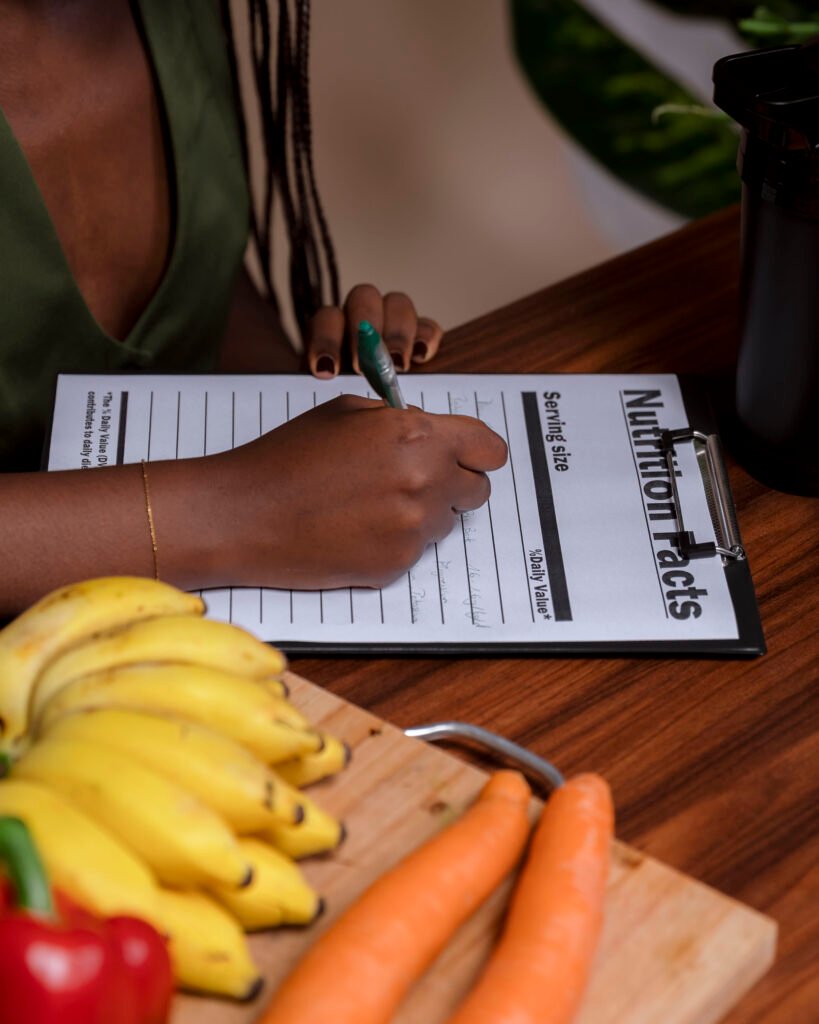
I stopped trying to control everything and focused on what would actually help. Recovery snacks. Simple routines. Small changes players could adopt without pressure. It wasn’t ideal, but it was effective.
When I came back later during the BAL competition, those small adjustments made a difference. Recovery improved. Trust grew.
And injuries stopped.
At the end of the season, during our final off-season meeting before the holidays, one player said something that stayed with me. He explained that he usually finished the season exhausted, his body in pain, completely drained. That year, he said, he felt strong. Not perfect, but solid. Decent.
Then he added that he believed it came from the food, the snacks after games, the hydration routines we had put in place.
That was the moment everything clicked. That’s when I understood the power of nutrition.
Not as a magic solution.
Not as a luxury.
But as a quiet, practical, and decisive tool. Especially in environments where resources are limited and margins are small.
Nutrition didn’t need to be perfect to be powerful.
It needed to be realistic.